
ORGANISATIONAL DEVELOPMENT
Make room for what’s next.
Every organisation does two things at once: it carries out today's work, and it develops what comes next. Each follows its own logic, and each depends on the other.
Development can start anywhere: with a new idea, a question of purpose or leadership, a shift in the market, or the way people work together. Wherever it starts, it needs to be understood in relation to the wider organisation. Art of Development helps organisations give that development direction and room to grow within their everyday work.
Start a conversation →
Development has its own logic
Art of Development works from the NPI tradition of organisational development, built up in the Netherlands from 1954 by Bernard Lievegoed and others. Ingmar Nieuwold has applied this tradition in his own practice, bringing it together with his wider experience in the approach he describes in The Art of Development.
At its heart is a view of the organisation as a developing whole. Its purpose, core work, structures, leadership, relationships and people are interconnected. Development in one area can influence the others. That is why organisational development is more than a series of interventions, a change project or a new management technique.
Working from that view means understanding an organisation's particular situation, recognising possibilities for its development, and creating the direction and conditions for them to take shape. It means accompanying development in the organisation's actual work, with attention to responsibility, leadership, what emerges along the way and what is being learned. In this way, the core work, the organisation that carries it and the people involved can develop together.
Behind this lies a conviction: people have the capacity, and deserve the opportunity, to consciously shape their own development and the future of the organisations and communities they belong to. The aim is not only progress on the immediate question, but also strengthening the organisation's capacity to keep developing.
About Ingmar Nieuwold
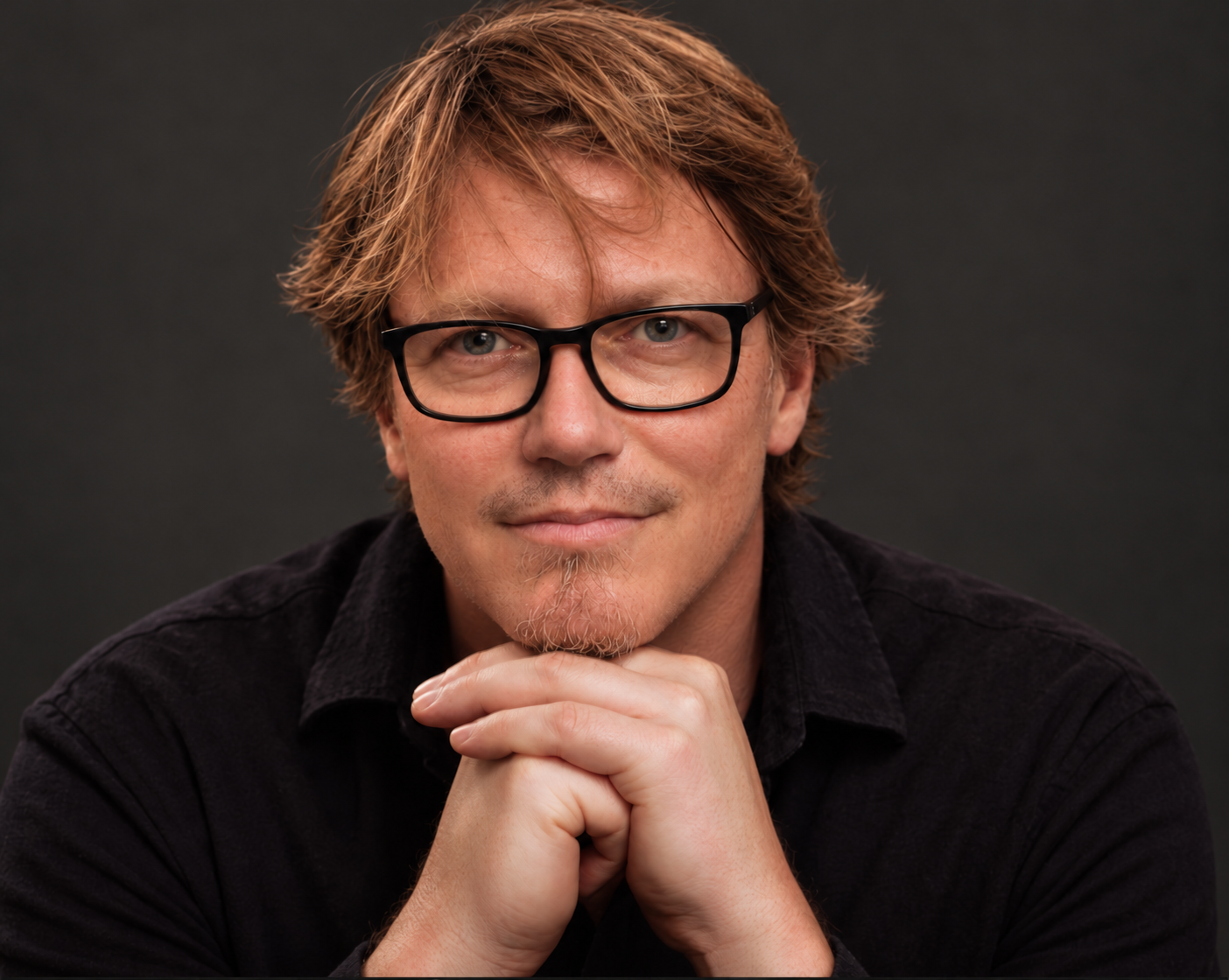
Ingmar Nieuwold, founder of Art of Development, has worked with development at multiple scales. He started his career as a therapist working with individuals, then moved into social entrepreneurship, using participatory approaches to support social innovation.
At the Dutch NPI, he worked alongside experienced organisational-development consultants and found that their approach complemented and deepened everything he had done before. He went on to work with public institutions on organisational development and innovation, drawing on his participatory experience to involve stakeholders in shaping those processes.
He later brought this combination of organisational development and collaborative practice to Rwanda, where he initiated a five-year participatory research and development programme focused on malaria elimination and guided the collaboration throughout.
He is the author of The Art of Development, which sets out his approach to development.
Three ways to work with Art of Development
Organisational Development Consultancy
Art of Development accompanies organisations through processes of development, renewal and innovation. Ingmar works with the people involved to understand the situation, establish direction and guide a development process that fits the organisation and its work.
An engagement can be a focused contribution to development already under way or a longer collaboration. Its scope follows the organisation's particular question.
The Art of Development Workshop
A practical introduction to the art and methodology of organisational development.
Participants explore how development works in organisations and apply the approach to questions and situations from their own professional practice. They gain insights and practical ways of working that they can take back into their organisations.
The workshop can stand on its own or provide a starting point for further organisational development.
Executive Coaching
For leaders carrying organisational responsibility.
Coaching offers an experienced thinking counterpart for the questions, decisions and responsibilities that accompany leadership. It connects the leader's own development with the development of the organisation and the work they are responsible for.
International experience
Ingmar has worked internationally with organisations and individuals in countries including the Netherlands, Sweden, Japan, the United States, Rwanda, South Africa and Slovenia.
Art of Development works from Slovenia and welcomes enquiries from abroad.
Research in Rwanda: Community mobilisation for malaria elimination · Stakeholder engagement study
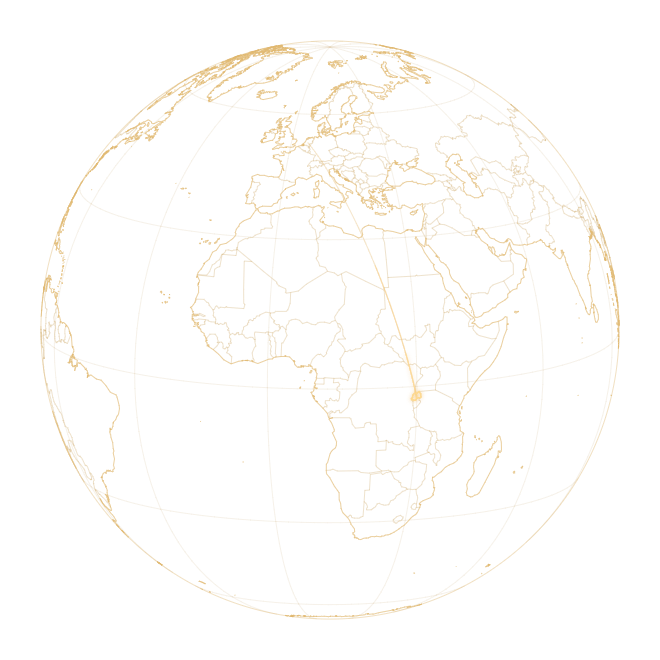
Still view. Enable JavaScript to play the globe.
Bring your question.
Every engagement starts with a conversation about your question: what you want to develop and what it involves.
Together, we explore whether there's a match.
Contact Ingmar →